Gardeners are, generally speaking, a nature-oriented bunch. We spend hours outside tending our plants—and while we’re out there, we can’t help but notice all of the life around us, from spiders and slugs to birds and rabbits and deer.
Learning to see Life’s Principles—which are nature’s strategies for sustaining life—will help us tune into our gardens more deeply. And gaining an understanding of nature’s strategies may help us become more sustainable gardeners—so that we work with nature, not against it, and support all of the natural systems that surround our gardens.
Slowing down and observing nature is a great first step. Set aside some time to sit outside, intentionally, and just take in your surroundings. You can draw or journal what you see, or you can simply sit. Let your mind wander, and ask questions about what you see: Why are goldfinches yellow? Why do they sing? What seeds do they eat? Asking those questions can help you start to see all the ways that nature supports life and creates solutions to all sorts of challenges.
Biomimicry 3.8 describes Life’s Principles as “design lessons from nature.” They recognize that all life exists within common conditions: a planet that provides sunlight, air, and water, that has innate boundaries and limitations, and that is always in a state of dynamic change. Life’s Principles are nature’s strategies for creating and sustaining life within those conditions—and they’ve evolved over the full 3.8-billion-year history of our planet.
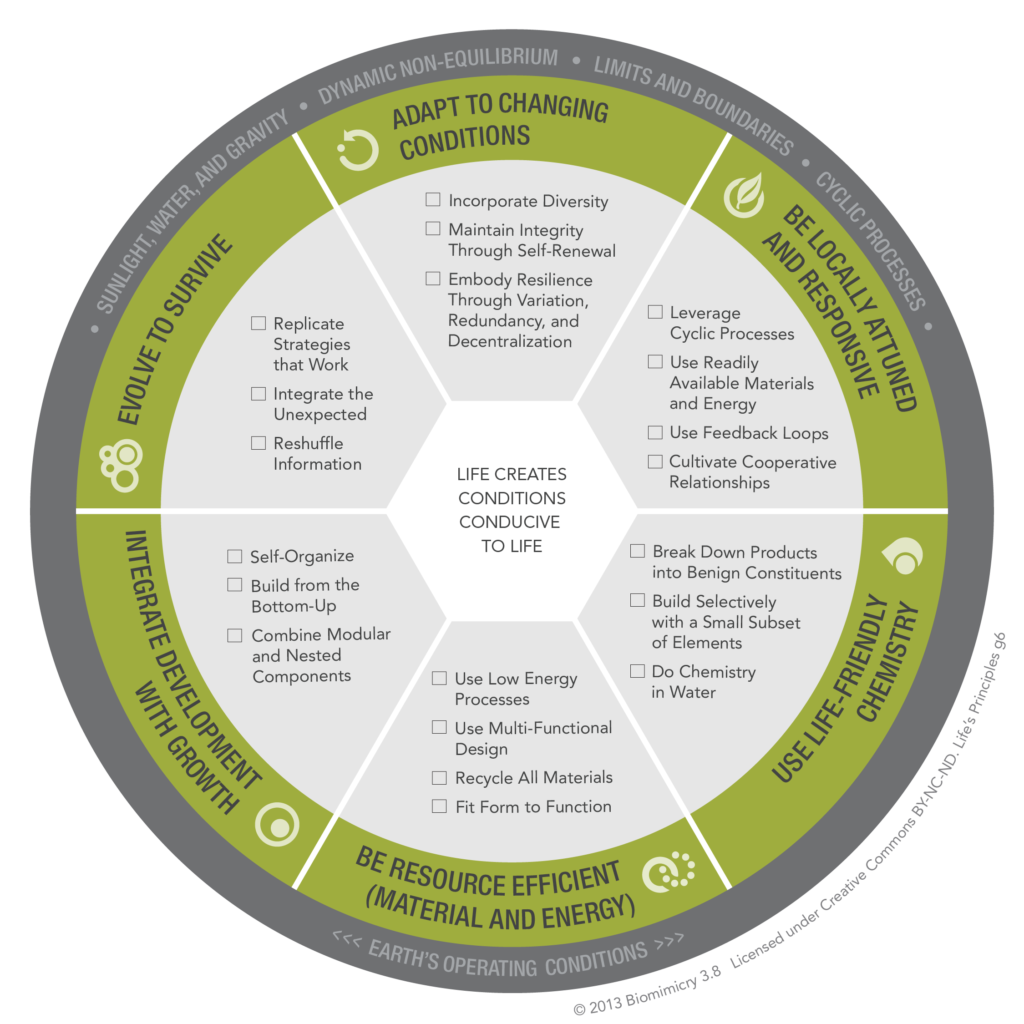
We can apply these lessons in our gardens.
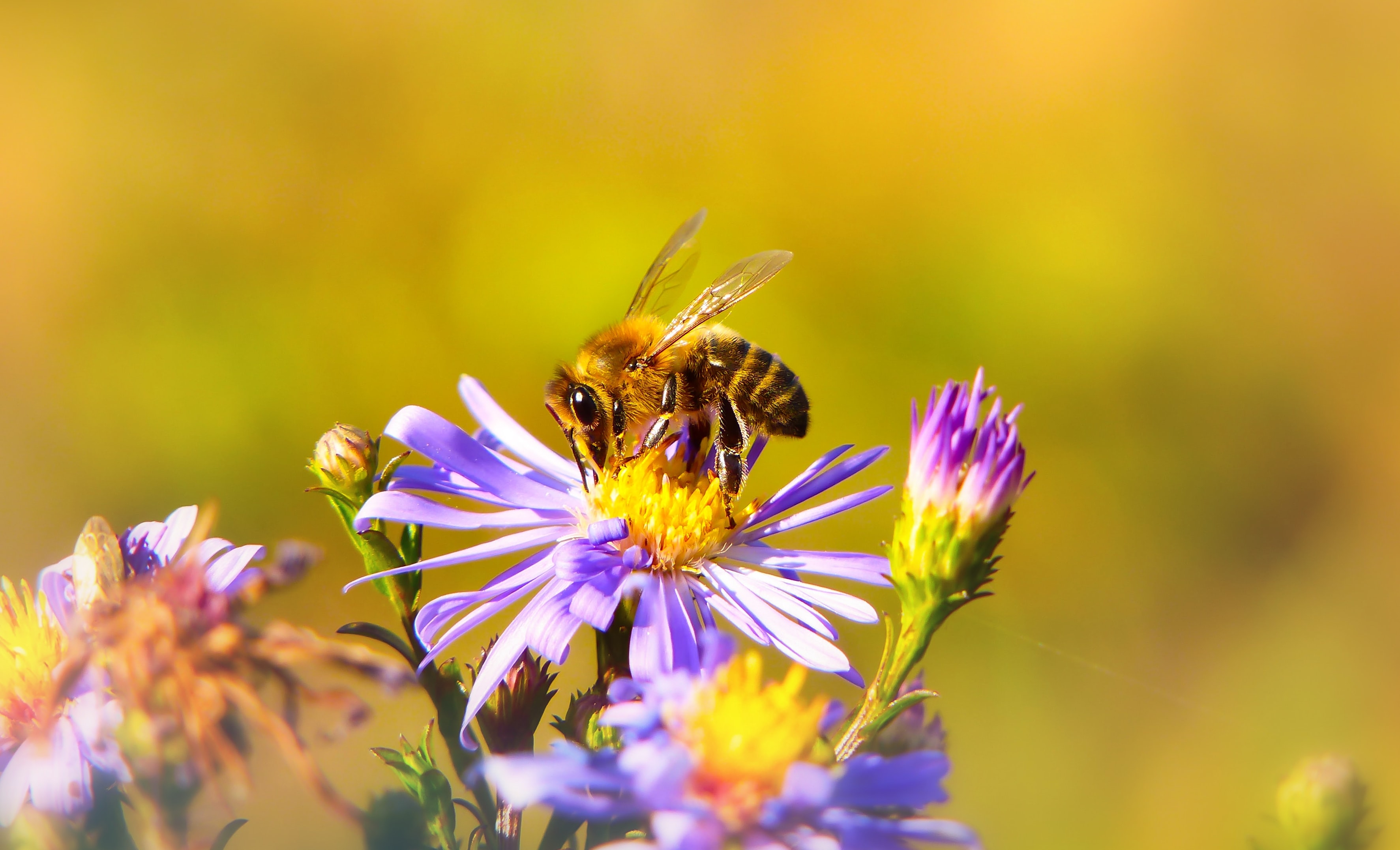
For example, we can recognize that our gardens are part of a cooperative, interconnected system, where pollinators and other insects play an essential role. We can plant native plants and flowers that support those insects—and in turn, they’ll pollinate our crops and provide all sorts of beneficial services in our gardens. And we can recognize that using insecticides and fungicides actively harms those insects and frays the web of life that surrounds them.
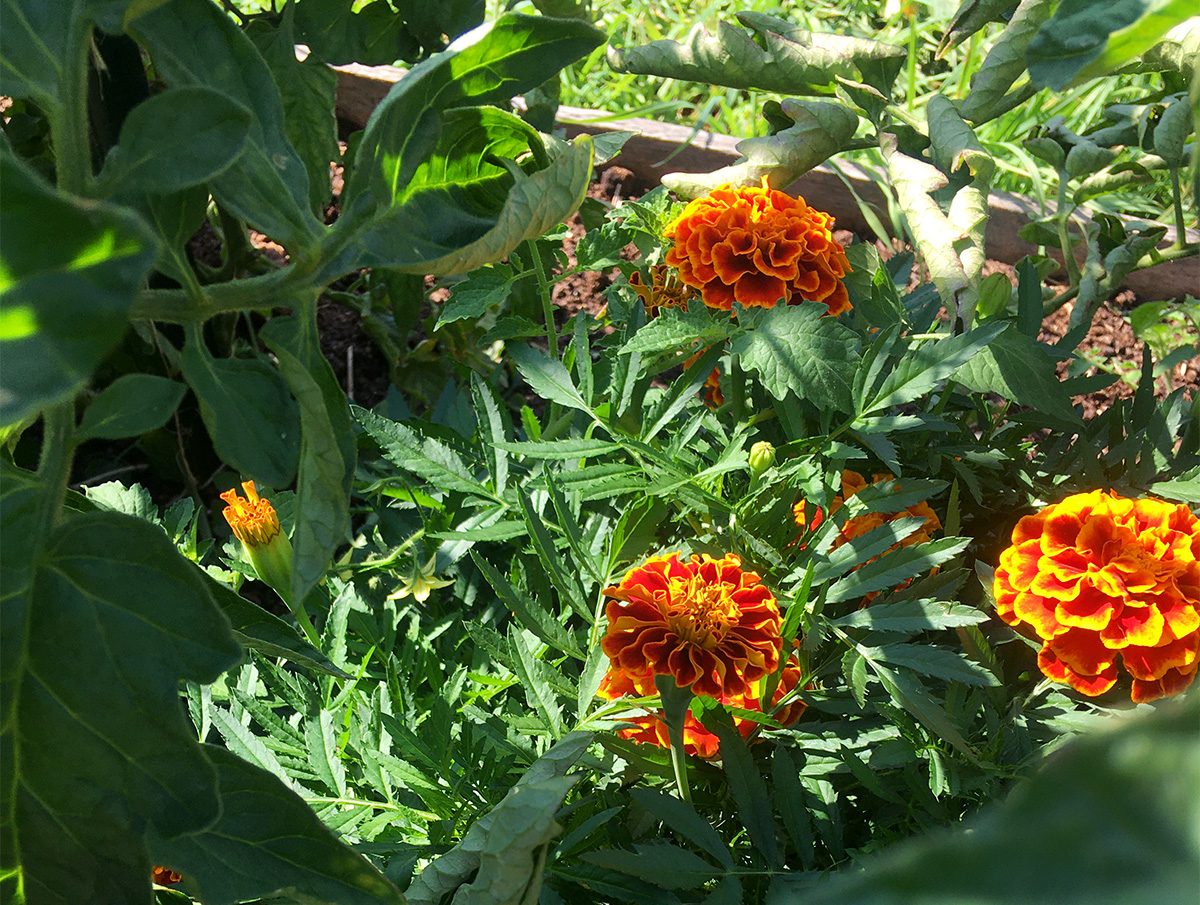
We can also think about Life’s Principles when we’re choosing tools and materials for our gardens. Those single-use plastic pots and cell trays certainly aren’t resourceful or cyclical, and they aren’t made from life-friendly materials. Instead, what if we started our seeds in soil blocks, which use shape instead of material and energy? Or what if we fed our soil with compost made from our garden trimmings and food waste—and, in doing so, fed the web of life that exists beneath our feet? Or what if we considered all the ways we can leverage symbiotic relationships through companion planting—like growing marigolds and basil near our tomatoes to discourage pests?
So take the time to sit outside. Bring a chair into your garden and just watch. And then think about how you can learn from, support, and work with all the life that you see.